
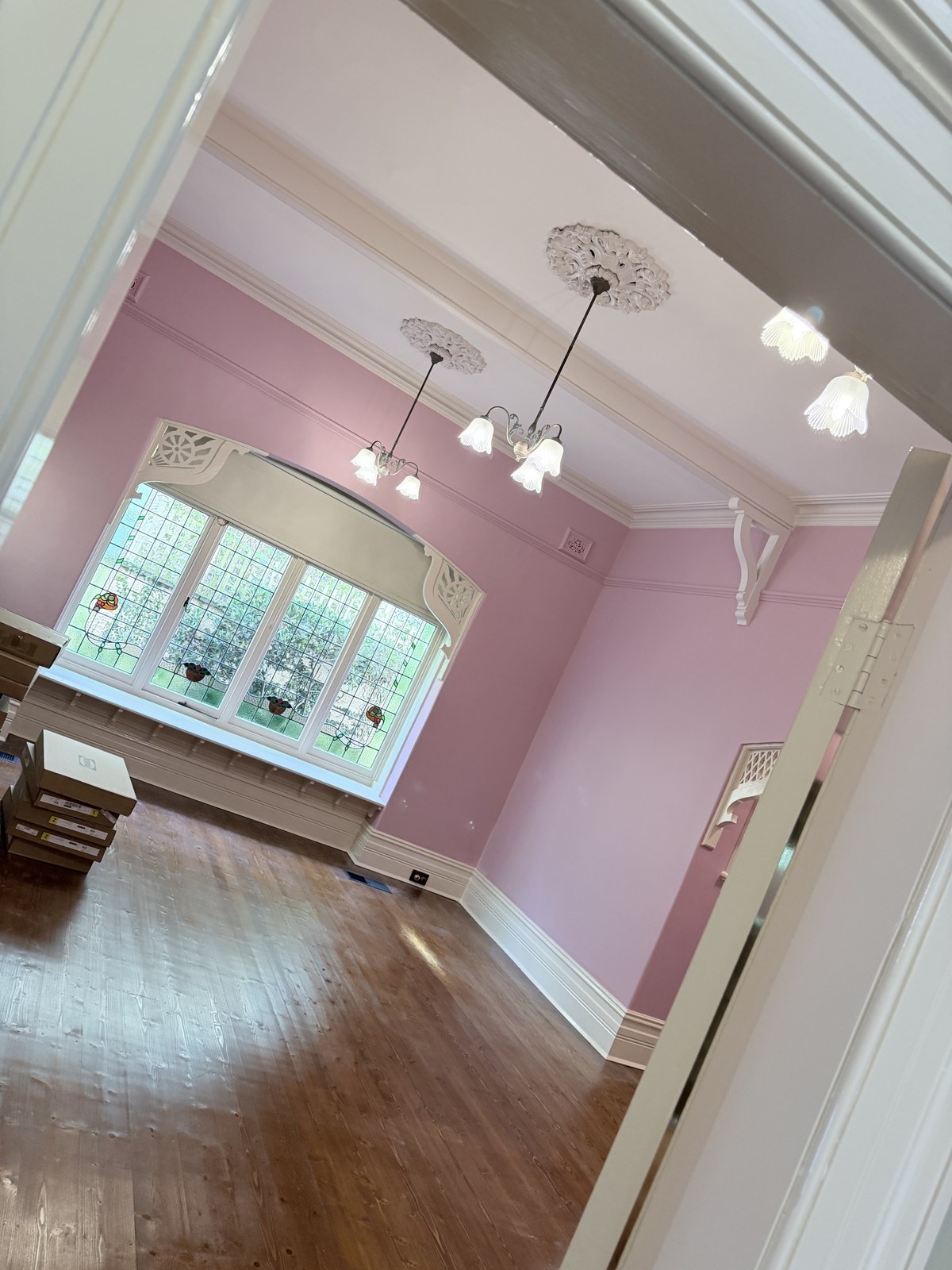
A freshly painted room can look impressive in a photograph, but a homeowner needs to know what sits behind that result. This Melbourne painters guide follows the work from the written scope through preparation and paint application to the final walkthrough. Use it for a whole-home repaint, selected rooms or an exterior project, whether you are choosing Colourway or another painter. The checklist turns unclear details into specific questions you can take to your contractor.
Free homeowner tool
Build your painting quality checklist
Check what your scope includes. Mark anything uncertain, then take your questions to your painter.
No sign-up required. Your selections stay in this page while it is open; they are not submitted to Colourway.
0 of 11 checked · 11 points to clarify
Your questions for the painter
Unclear and unchecked items appear below. These are prompts to discuss, not a score or certification of workmanship.
- Which rooms, walls and ceilings are included, and which are excluded?
- Does the scope include doors on both sides, frames, windows, skirting and wardrobe interiors?
- What preparation and repair allowances are included for each surface?
- Which defects require separate assessment or repair before painting?
- Which products, colours, sheen levels and preparation/finish coats will be used?
- Who handles furniture movement, and how will surrounding areas be protected?
- What access is needed, what are the working hours and how will the site be left each day?
- What is excluded, and how will additional work be priced and approved?
- How will we check the completed scope and record any outstanding items?
- What clean-up, product/colour records and aftercare information will be provided?
- Can you provide the written workmanship warranty, exclusions and contact process?
Take this to your final walkthrough
- Check every included room, elevation and surface against the scope.
- Discuss coverage, sheen, edges, repairs and any visible missed areas.
- Record outstanding items and agree the follow-up.
- Confirm clean-up and retain colours, products, care and warranty details.
Project notes: __________________________________________
1. Start with a surface-by-surface written scope
A room name is only the start of a painting brief. A bedroom quotation might include walls alone, or walls, ceiling, doors and trim. An exterior quotation might cover the front elevation while leaving the sides and rear out. List each included surface, the finish required and any exclusions. This gives the painter a clear task and gives you something concrete to check at handover.
- Interior: walls, ceilings, cornices, doors, frames, windows and skirting; identify wardrobe interiors and shelving separately.
- Exterior: each elevation, weatherboards, render, painted masonry, eaves, fascia, gutters, downpipes, windows and doors.
- Name fences, decks, pergolas, garage doors and cabinetry individually when required.
- Record furniture movement, access equipment, repairs and who supplies the paint.
2. Agree what preparation is included before work starts
Ask the painter to turn ‘prepare as required’ into a description you can understand. Which areas need cleaning, removal of loose coatings, filling, sanding, gap sealing or priming? Which defects are ordinary preparation, and which require separate repairs? A recurring crack or stain should be assessed before it is covered. Photographs taken before and during preparation can help document the agreed approach.
- Confirm visible repairs and any excluded building defects in writing.
- Ask what happens if preparation exposes additional damage.
- Agree how an extra repair will be described and priced before it proceeds.
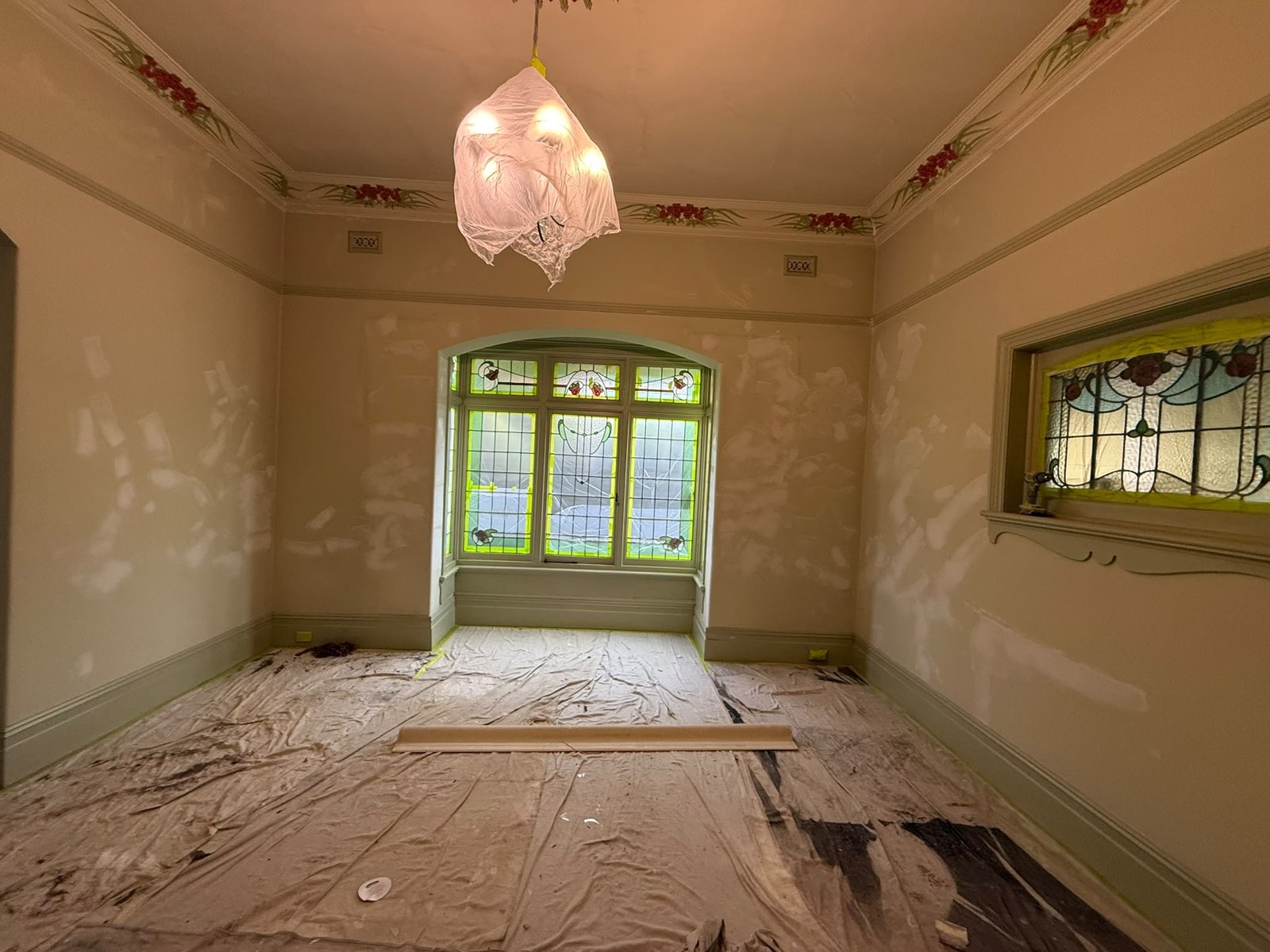
3. Match preparation to plaster, timber, brick and render
Different substrates need different decisions. Dulux’s preparation guidance emphasises assessing existing surfaces and preparing them before coating. Ask for the proposed process for your actual property, particularly where old and new materials meet. A generic room allowance should not hide substantial plaster, timber or masonry repairs.
- Plaster: discuss dents, cracks, new patches and differences in surface texture or absorbency.
- Timber and weatherboards: identify failed coatings, joints, exposed timber and any boards needing repair or replacement.
- Brick and render: assess the existing finish, loose material, cracks and moisture concerns before choosing the coating system.
- Previously painted doors and trims: check coating compatibility and the preparation needed for adhesion.
- If older coatings or building materials are suspected to be hazardous, have them assessed before disturbing them.
4. Specify the coating system, colour and sheen
‘Premium paint’ does not identify a complete system. Your quotation should say what goes on each surface, including a primer, sealer or undercoat where required, the finish product, colour, sheen and coat allowance. The manufacturer’s instructions should guide product compatibility, application conditions and recoating. Ask how a major colour change or a surface with uneven coverage will be handled.
- Separate ceiling, wall, wet-area and trim products where the scope requires different finishes.
- Confirm colour samples and sheen before painting the full area.
- Ask whether new or repaired surfaces need spot priming or a full preparation coat.
- Two finish coats are a common allowance, but the specified system and surface determine the complete process.
5. Plan protection, access and day-to-day use of your home
Protection and access should be discussed as part of the job. Agree who moves furniture, where belongings will be stored, which rooms remain usable and how floors, fittings and adjoining finishes will be protected. For an occupied home, discuss bedrooms, cooking facilities, pets and working from home. Identify the person who will answer questions during the project and agree how the home will be left each day.
- Confirm access, working hours, keys and daily communication.
- Agree protection for flooring, windows, furniture, cabinetry and outdoor areas.
- Discuss ventilation and when areas can be used, following the chosen products’ instructions.
6. Give exterior painting its own assessment
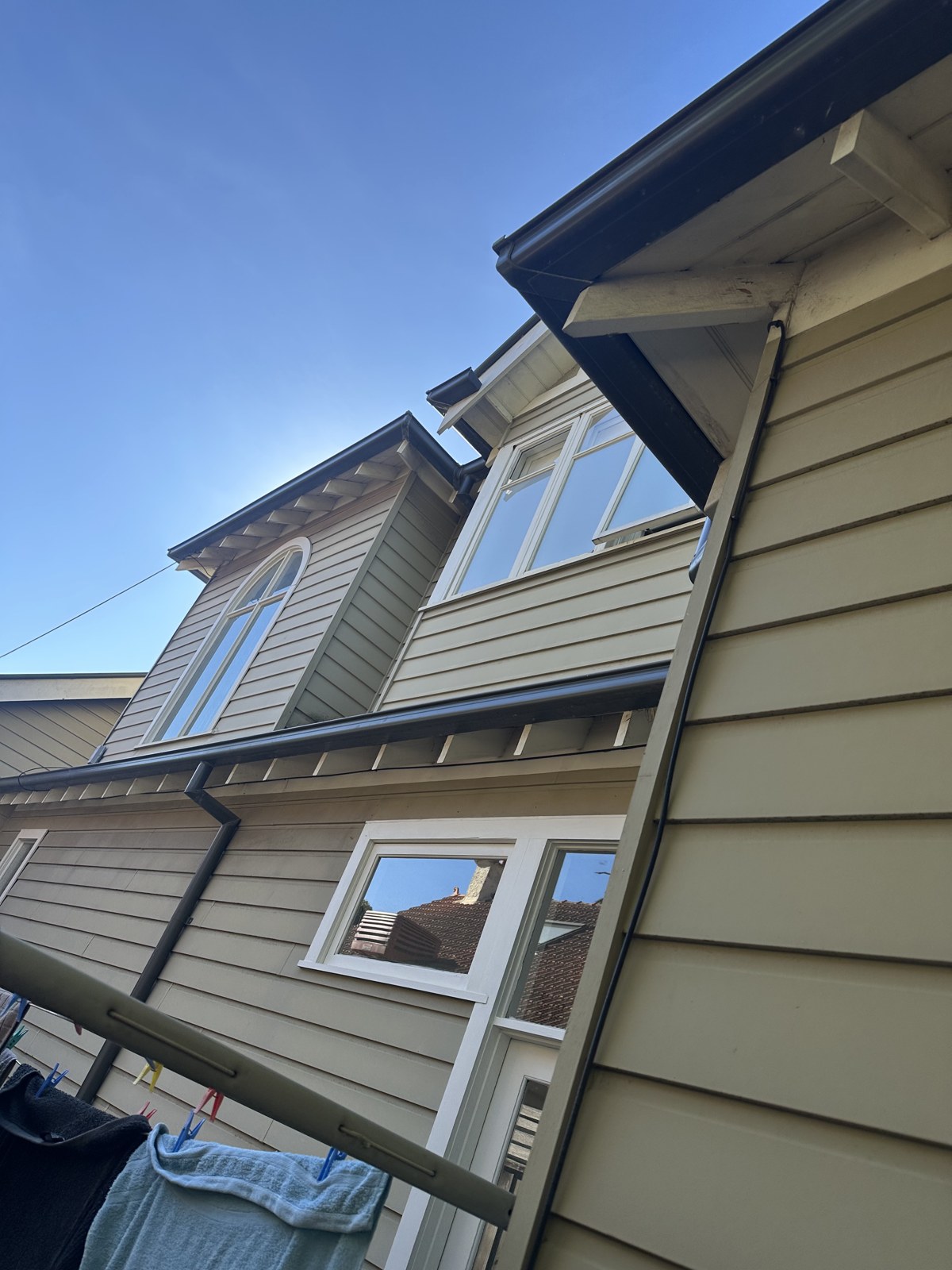
Exterior work needs a review of each elevation, the existing surfaces, access and exposure. Discuss upper-storey work, boundaries, gardens and anything that makes safe access difficult. The programme should allow for the conditions required by the selected products, including drying and recoating. A dry-looking façade or a bedroom count cannot confirm the preparation required across an entire exterior.
- Identify which walls, boards, windows, eaves and metal elements are included.
- Separate coating preparation from substantial timber, render or moisture repairs.
- Agree how weather and access changes will be communicated.
7. Check the finish against the agreed scope
Walk through with your painter once the coating has dried sufficiently for assessment. Review colour coverage, consistency of sheen, visible runs or missed areas, repaired surfaces and the edges where different finishes meet. Check the agreed standard for existing textured or uneven surfaces: repainting and full resurfacing are different scopes. This guide is a practical conversation aid, not a formal building inspection or a technical defect-tolerance standard.
- Check in ordinary use and lighting conditions and discuss anything that concerns you.
- List each outstanding item by room or elevation, with a photograph where useful.
- Agree who will address each item and the expected timing.
- Do not assume a photograph proves coating thickness, preparation quality or long-term durability.
8. Include clean-up, care information and warranty details
Handover should leave you with an understandable record of the completed work. Keep the final scope and approved changes, colours, product names and sheen levels. Ask how to care for the new finish, when it can be cleaned and how to raise a workmanship concern. Touch-dry paint is not necessarily fully cured, so follow the relevant product’s care instructions rather than assuming every finish is ready for scrubbing immediately.
- Confirm removal of agreed masking, coverings and project waste.
- Record any outstanding items and their follow-up arrangements.
- Retain labelled touch-up paint where supplied.
- Read the written workmanship warranty, its coverage, exclusions and contact process. A product warranty and workmanship warranty cover different things.
9. Understand why two similar homes can cost different amounts
The number of bedrooms does not describe every hour of painting work. One home may have sound walls and straightforward access; another may include detailed trims, high ceilings, failed coatings or substantial preparation. Occupancy, protection, colour changes and the selected surfaces also affect the scope. Compare the documented work first, then compare prices on the same basis.
- Check whether the quote covers selected rooms or the whole home.
- Compare preparation and repairs, not only finish-coat counts.
- Look for access, protection, exclusions and how changes are approved.
10. Turn your checklist into the right next step
If your written quote leaves questions unanswered, ask the painter to clarify them before you accept. If you are still planning an interior, Colourway’s 60-second estimator gives a starting figure from your selected rooms and surfaces. We then review the property details and preparation to confirm a quotation; sufficient photographs or plans may allow this remotely. For exterior work, complex interiors or a visit you simply prefer, book an available on-site consultation online. Same-day times can be booked with one hour’s notice when an available slot is shown.
Choose an available painting site visitFrequently asked questions
What should a quality painting quote include?
It should identify the property, included rooms and surfaces, preparation and repair allowances, coating system, protection, exclusions, price, timing, payment terms and the process for approving changes. Keep this scope for the final walkthrough.
Do painters need to prime every surface?
Not every repaint requires the same priming process. The existing coating, bare or repaired areas, stains and specified finish system determine what is needed. Ask the painter to explain the proposed primer or sealer and follow the product manufacturer’s instructions.
Are two coats of paint always enough?
A coat count alone does not establish a suitable system. Surface condition, preparation, colour change, coverage and manufacturer requirements all matter. Confirm whether the quoted coats are finish coats and whether preparation coats are additional.
Are ceilings, doors and wardrobe interiors automatically included?
No. Check the written scope and the surfaces selected in an online estimate. Ceilings, doors, frames, windows, skirting and wardrobe interiors should be expressly included or excluded.
How can I check the finished painting?
Walk through the included areas with your painter, comparing the work with the agreed scope. Discuss coverage, sheen, edges, visible runs, missed areas, repairs and clean-up. Record any unresolved items and agree the next step; a homeowner checklist does not certify workmanship.
Does a workmanship warranty mean the paint will never need maintenance?
No. Read the written warranty for what is covered and excluded, and retain the care instructions. Workmanship, product performance, existing building conditions and normal wear are different issues.
Can I get a Melbourne painting estimate without a site visit?
Eligible Colourway residential interiors can start with a 60-second online estimate. A final quotation requires a scope review and may be confirmed remotely when sufficient property details, photographs or plans are available. Otherwise, book a site visit online.
Is the painting quality checklist free?
Yes. Select interior, exterior or both, mark each item and print your questions and handover checklist. No contact details or quote upload are required, and the checklist does not assess or certify a contractor.
Sources and further reading
Official guidance used in this article
- Preparing interior surfacesDulux Australia
- Weatherboard preparation and paintingDulux Australia
- Example primer, sealer and undercoat requirementsDulux Australia
Planning your Colourway project
For residential interiors, our online tool gives you an initial estimate from the rooms and surfaces selected. Exterior, commercial and strata work is assessed on site so access, preparation and the correct coating system can be confirmed before fixed pricing.