
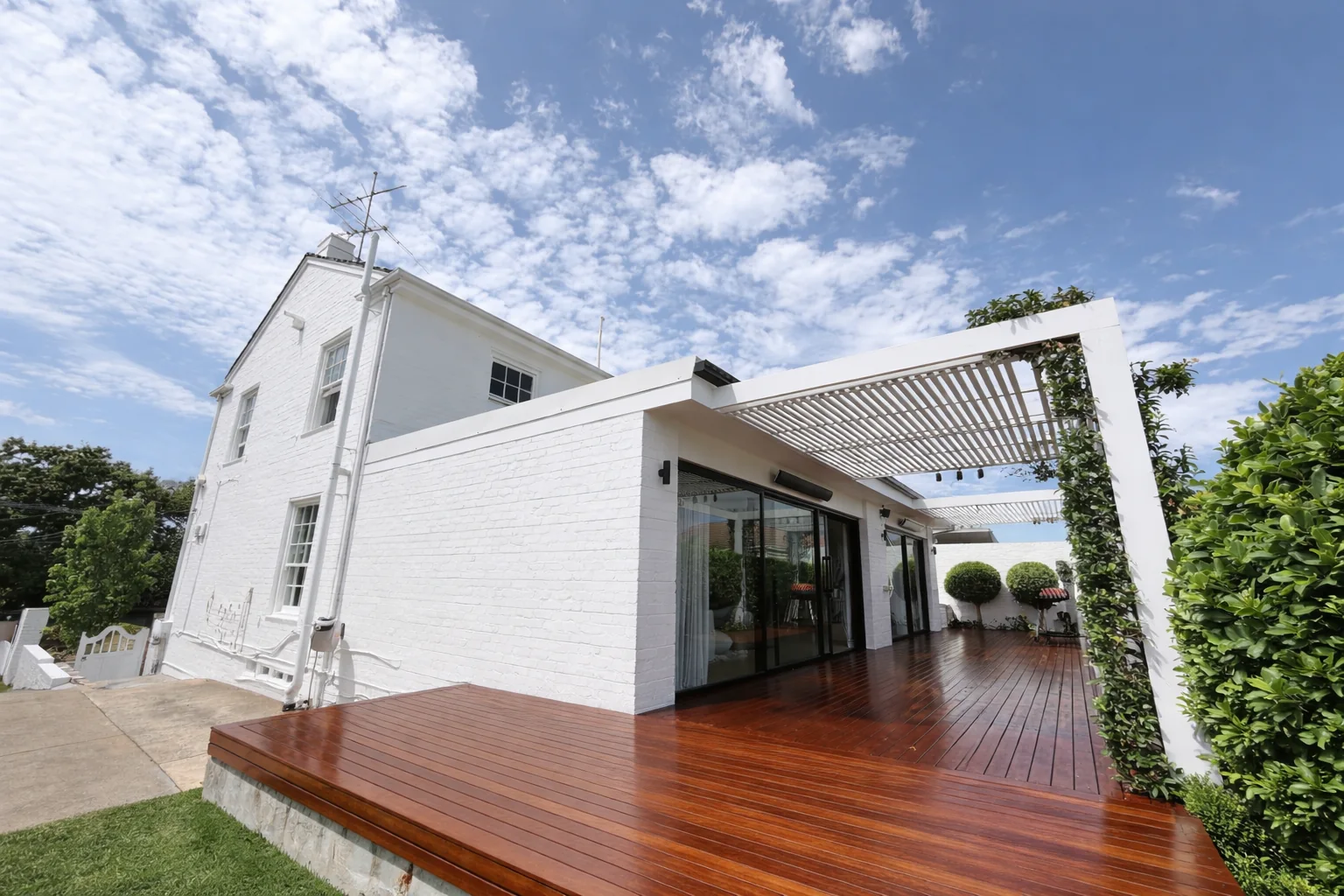
Choosing a house painter is not simply a matter of finding the lowest price or the company with the loudest advertising. A top residential painter should make the proposed work easy to understand before it begins, protect your home while it is underway and leave you with a clearly documented result. Use these checks for a complete interior repaint, exterior house painting or a combined residential project.
1. The business should be easy to verify
Confirm who will be responsible for the project before comparing colours or prices. The full business name on the quotation should match the entity accepting payment and carrying the relevant insurance. Consumer Affairs Victoria recommends checking business details, recent work, references and a current certificate of currency for public liability insurance.
- A registered and traceable business identity
- A current public liability insurance certificate
- Contact details that remain available after the project
- Recent residential work relevant to your type of home
- Reviews that describe preparation, communication and the finished result
2. Understand what 'licensed painter' means in Victoria
Victoria does not apply one simple licence rule to every painting project. Consumer Affairs Victoria currently lists painting-only work among jobs that do not require Building and Plumbing Commission registration, but the position can change when painting is combined with other building work. Check the official requirements for the complete scope, value and contracting arrangement rather than relying on a generic licensed claim.
- Ask which legal entity is contracting for the work
- Identify any plastering, carpentry, rendering or other building work
- Check current Victorian guidance for the complete project
- Keep the agreed scope, total price, payment terms and change process in writing
3. A residential painting quote should define every included surface
Paint the house is not a complete scope. For interiors, identify walls, ceilings, cornices, doors, frames, windows, skirting, robes, shelving, staircases and detailed joinery. For exteriors, identify each elevation and separate weatherboards, render, masonry, windows, doors, eaves, fascia, gutters, fences and decks. Two totals are not comparable when the painters have priced different surfaces.
Analyse one painting quote or compare two side by side4. Preparation should be described—not hidden behind 'prepare as required'
Preparation is one of the largest differences between a quick repaint and a properly planned coating system. The quotation should explain the expected cleaning, scraping, filling, sanding, gap sealing, spot priming and treatment of failed coatings. Significant moisture, timber, plaster or specialist repairs should be identified for separate assessment instead of disappearing inside vague wording.
- Cleaning and removal of loose material
- Filling cracks, dents and nail holes
- Sanding and adhesion preparation
- Priming bare, repaired or unstable areas
- A separate process for substantial or concealed repairs
5. The quote should specify a coating system, not only a paint brand
A brand name alone does not explain what will be applied. Ceilings, washable living-area walls, wet areas, doors, trim, timber, render, masonry and metal can need different primers, finishes and sheen levels. Ask which products and coat allowances apply to each surface, how major colour changes are handled and when the proposed system may need to be revised after preparation.
Check what a complete paint specification should include6. Interior painters should plan around the whole home
Strong interior painters plan protection, furniture movement, room sequencing, ventilation, household access and daily handover—not only the wall colour. An occupied home may require staged rooms and extra protection; a vacant home can allow a different programme. Discuss children, pets, home offices, keys, alarms and shared entrances before agreeing to the start date.
Explore Colourway's interior painting process7. Exterior house painters should inspect the property
A dependable exterior price should not rely only on floor area, bedroom count or a street photograph. The painter needs to consider each elevation, coating condition, weather exposure, height, boundaries, landscaping, neighbouring property and access equipment. The inspection should also separate visible preparation from timber, moisture or building repairs that need another assessment.
- Included elevations and structures
- Peeling, chalking, cracking and moisture concerns
- Timber, masonry, render and metal surfaces
- Upper-level and restricted-boundary access
- Protection, weather limitations and the proposed coating system
8. Protection and site management should be part of the service
Top residential painters plan how they will work inside and around someone's home. Confirm how floors, furniture, glazing, cabinetry, gardens, roofs and adjoining finishes will be protected; who moves large items; where tools and materials will be stored; and which areas remain usable. Agree working hours, progress updates, daily clean-up and the final handover before work begins.
- Agreed access and working hours
- Clean and protected work zones
- Safe storage of tools and materials
- Regular progress communication
- Daily clean-up and an organised handover
9. Project evidence should match the work you need
A painter may be experienced with apartment repaints but have limited evidence for a detailed weatherboard exterior. Ask for before, preparation and completed photographs from comparable work, along with a description of the surfaces and scope. Project photos should demonstrate genuine work without implying that an unrelated image came from your suburb.
- Projects with similar materials and architectural detail
- Preparation-stage as well as completed photographs
- Relevant access or staging experience
- Recent client references where appropriate
- Reviews that mention reliability, communication and workmanship
10. Timing and communication should be realistic
Be cautious when a painter promises an unusually fast finish before the scope and preparation are understood. Ask for the expected start window, working hours, estimated duration and the process for communicating weather delays, access changes or concealed conditions. You should also know who manages the project and who can answer questions after the deposit is paid.
11. Changes should be priced and approved in writing
Painting can uncover conditions that were not visible at the first assessment. A professional process distinguishes a concealed defect from an optional customer request. The quotation or agreement should record the original inclusions and exclusions, identify items subject to further assessment and explain how a variation will be described, priced and approved before additional work proceeds.
12. Warranty and handover should be clear before work begins
Ask what the workmanship warranty covers, how long it lasts and which exclusions apply. Product and workmanship warranties are different, and no warranty means a painted surface will be maintenance-free forever. At handover, retain the final scope, approved variations, product names, colours, sheen levels, care information, suitable labelled touch-up paint and the written warranty contact process.
A simple homeowner checklist
A top painter should provide enough information for you to understand the promised result before you accept. Use this checklist to keep different residential painting proposals on the same basis.
- Business: traceable identity, contact details and quotation entity
- Insurance: current public liability certificate of currency
- Registration: accurate advice for the complete Victorian scope
- Scope: every included room, elevation and surface
- Preparation: specific cleaning, repairs, sanding, sealing and priming
- Coating system: suitable products, finishes and coat allowances by surface
- Protection: a plan for the home, landscaping and adjoining finishes
- Evidence: relevant projects, reviews and references
- Programme: realistic timing and communication
- Variations, handover and warranty: clear written processes
Price matters—but compare the same promised result
The cheapest quote is not automatically poor value, and the highest quote is not automatically the most complete. First make the scopes comparable. Check preparation, products, access, protection, exclusions, timing and warranty, then compare the total for the same documented outcome. Consumer Affairs Victoria recommends obtaining and comparing at least three quotes for the same detailed work.
Use the complete house-painting quote checklistCommunity support should be practical and transparent
Colourway believes giving back should have practical value. Eligible seniors, current Australian concession card holders and single-parent households may receive 10% off an eligible new residential painting quotation. Colourway also offers free painting quote analysis to every homeowner and may include independent professional colour consultation on eligible larger projects when it is confirmed in the final quotation. Eligibility and any applicable support are documented in writing.
Read the Colourway Community Painting Support termsWhat Colourway believes a top painting service should provide
Quality Painting, Fair Pricing, Zero Hassle means a clear written scope, preparation suited to the actual property, suitable coating systems, respectful site management and an organised handover. Colourway provides residential interior and exterior painting across selected Melbourne suburbs, supported by a 10-year workmanship warranty and $20 million public liability insurance. Eligible interiors can begin with a room-by-room estimate; exterior work begins with an on-site assessment.
Explore Colourway residential paintingFrequently asked questions
What should I look for when hiring a house painter in Melbourne?
Look for a traceable business, current public liability insurance, relevant project evidence and a detailed written quote. The quote should identify every included surface, preparation, coating system, protection, exclusions, timing, payment terms, warranty and the process for approving changes.
Does a painter need a licence in Victoria?
Victoria's requirements depend on the complete scope. Consumer Affairs Victoria currently lists painting-only work among jobs that do not require Building and Plumbing Commission registration, while projects combining painting with other building work can trigger different requirements. Check the current official guidance for the actual project.
How many painting quotes should I obtain?
Consumer Affairs Victoria recommends comparing at least three quotes for the same detailed work. Give each painter the same rooms, surfaces and site information, then compare preparation, products, inclusions, exclusions and terms—not only the totals.
Should I choose the cheapest painting quote?
Not until the written scopes match. A lower price can be good value, but it may also omit preparation, detailed surfaces, access equipment, protection or finish coats included elsewhere. Clarify every difference in writing before deciding.
Can I get an interior painting estimate online?
Colourway's online estimator provides an initial room-by-room estimate for eligible residential interiors. The selected rooms and surfaces are reviewed before a final written quotation is issued. Exterior painting requires an on-site assessment because access and condition cannot be confirmed reliably from a generic rate.
What should a residential painting quote include?
It should name the rooms or elevations, every included surface, preparation, intended coating system, protection, access assumptions, exclusions, GST treatment, timing, payment terms, warranty and change-approval process. Unstated work should be treated as unconfirmed rather than assumed to be included.
How do I assess local painters near me?
Look beyond proximity. Check whether the painter has verifiable projects relevant to your home, a traceable business identity, current insurance, detailed written scopes and reviews that describe preparation and communication. A nearby painter is only the right choice when the evidence and proposed work also match.
What community support does Colourway offer?
Eligible seniors, current Australian concession card holders and single-parent households may receive 10% off an eligible new residential painting quotation. Colourway also provides free quote analysis for every homeowner and may include independent colour consultation on eligible larger projects when stated in writing.
Sources and further reading
Official guidance used in this article
- Getting quotes for building and renovatingConsumer Affairs Victoria
- Home improvements costing $10,000 or lessConsumer Affairs Victoria
- Becoming a registered building practitionerConsumer Affairs Victoria
- Preparing a major domestic building contractConsumer Affairs Victoria
- Managing lead-based paint removalWorkSafe Victoria