
Painting an apartment is an interior project inside a managed building. The rooms and surfaces still determine the painting scope, but lifts, loading, common corridors, parking, working arrangements and the boundary between an individual lot and common property can affect how the work is planned. This guide is for Melbourne apartment and unit owners preparing an interior repaint—not for committees commissioning a common-area or whole-building programme.
Separate the apartment interior from common property
Begin with the boundary of the work you can actually instruct. Consumer Affairs Victoria says a lot owner is entitled to renovate or refurbish the interior of an apartment or unit, and must notify the owners corporation when renovations require a building or planning permit. The same guidance should not be read as permission to paint a shared corridor, lobby, exterior wall or other common property. Ask the owners-corporation manager or building manager to confirm the specific property boundary and any building requirements before the quotation is accepted.
- Private interior: identify the rooms and surfaces inside the lot
- Shared areas: do not assume corridors, lift lobbies or entries belong in the private scope
- Exterior elements: check the plan and applicable owners-corporation rules before proposing a colour or finish change
- Rented apartment: obtain the required written agreements before making modifications
Build the quotation room by room and surface by surface
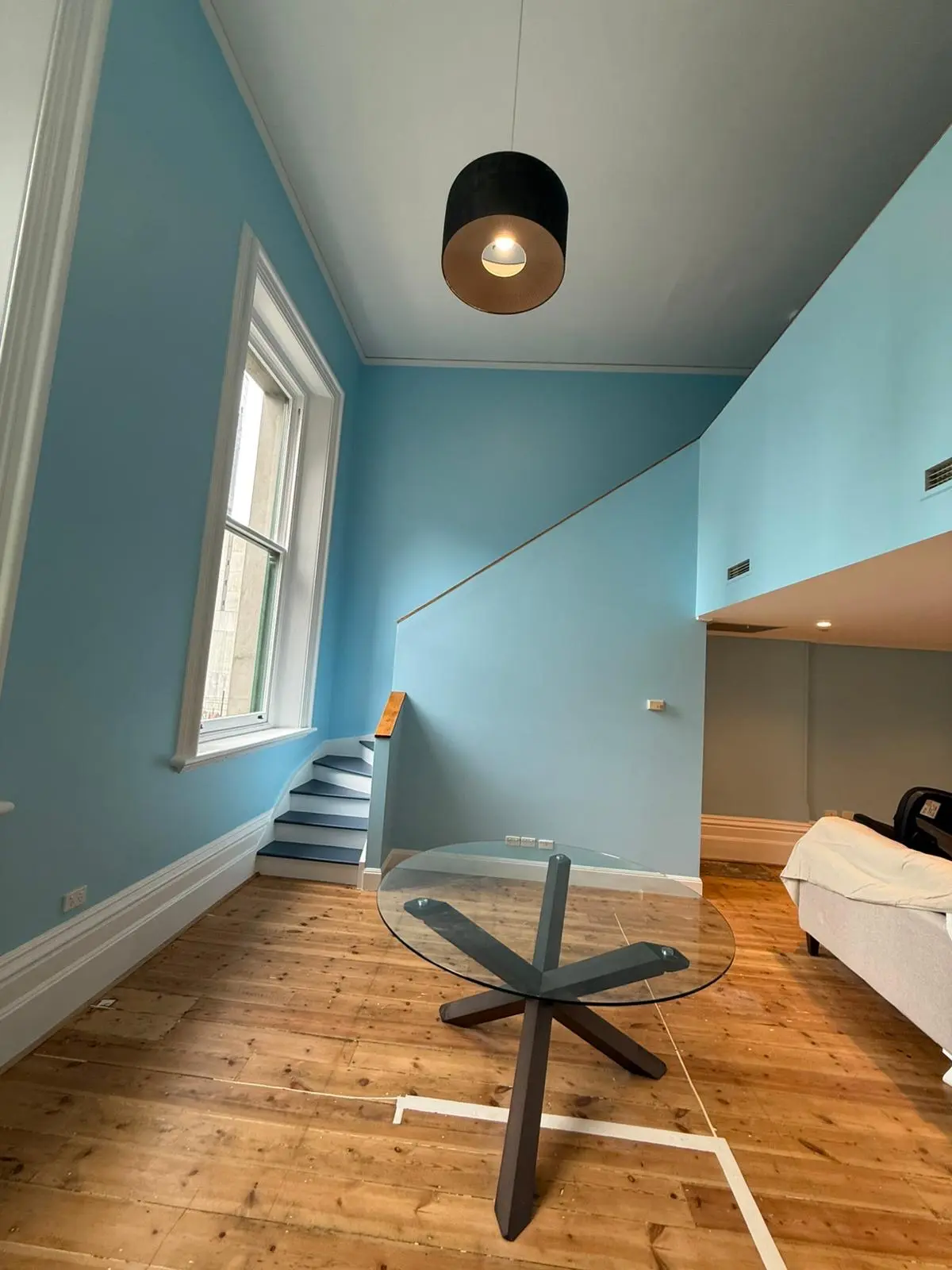
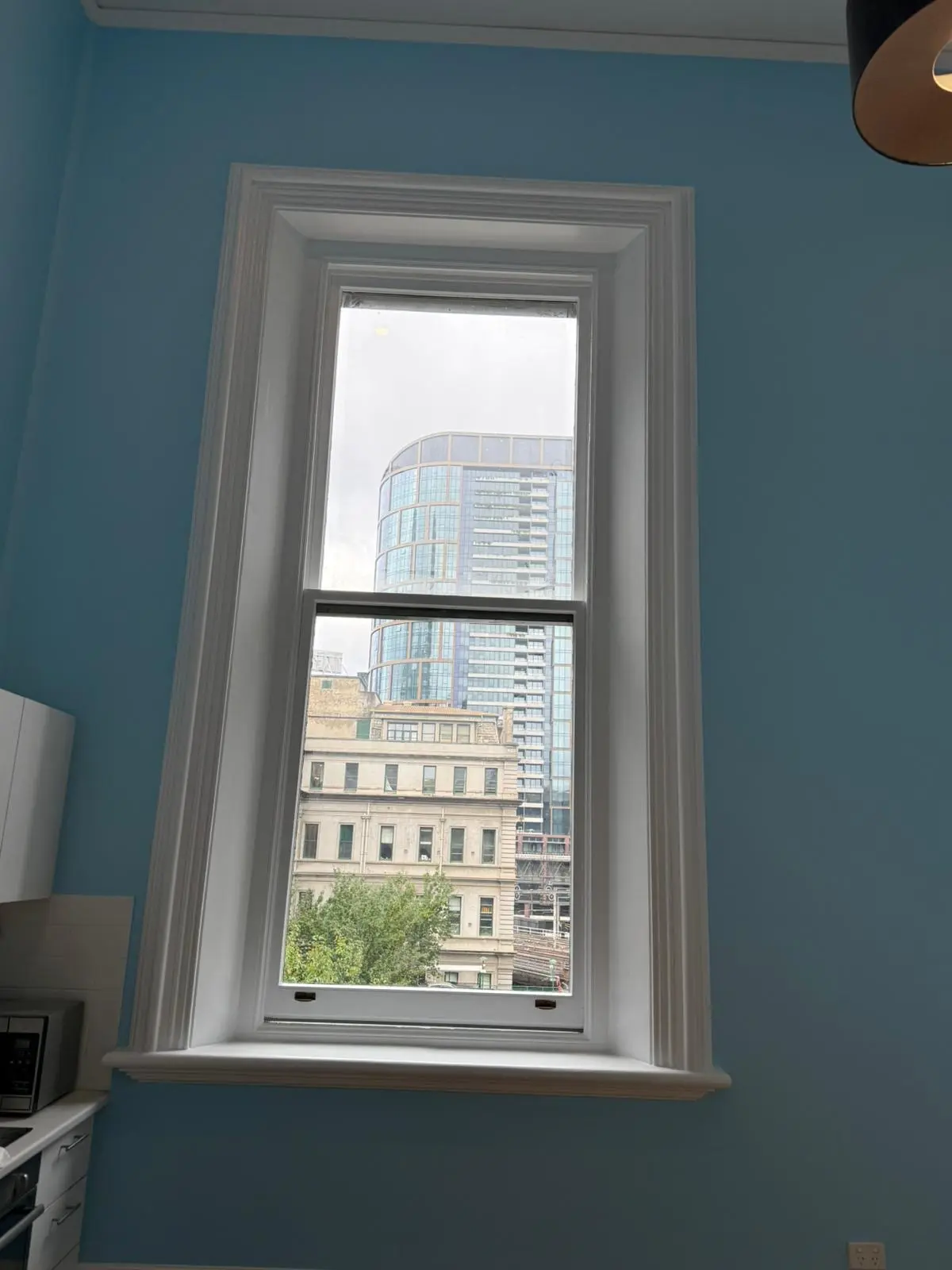
An apartment description such as two bedrooms and one bathroom does not define what will be painted. Walls, ceilings, cornices, skirting boards, doors, frames, windows, robes and stairs are separate surfaces with different preparation and finishes. State which are included, retained or optional. This prevents a walls-only estimate from being compared with a complete-room quotation as though they cover the same work.
| Area | Decisions to record | Useful evidence |
|---|---|---|
| Bedrooms and living areas | Walls, ceilings, cornices, skirting, doors, frames, windows and robes | Wide room photographs and close-ups of damage |
| Kitchen, bathroom and laundry | Painted surfaces, existing finish, moisture staining and areas excluded behind fixed items | Room use, ventilation and known leak history |
| Entry and hallway | Stopping points, adjoining rooms, doors, frames and frequently handled surfaces | How the new finish meets retained areas |
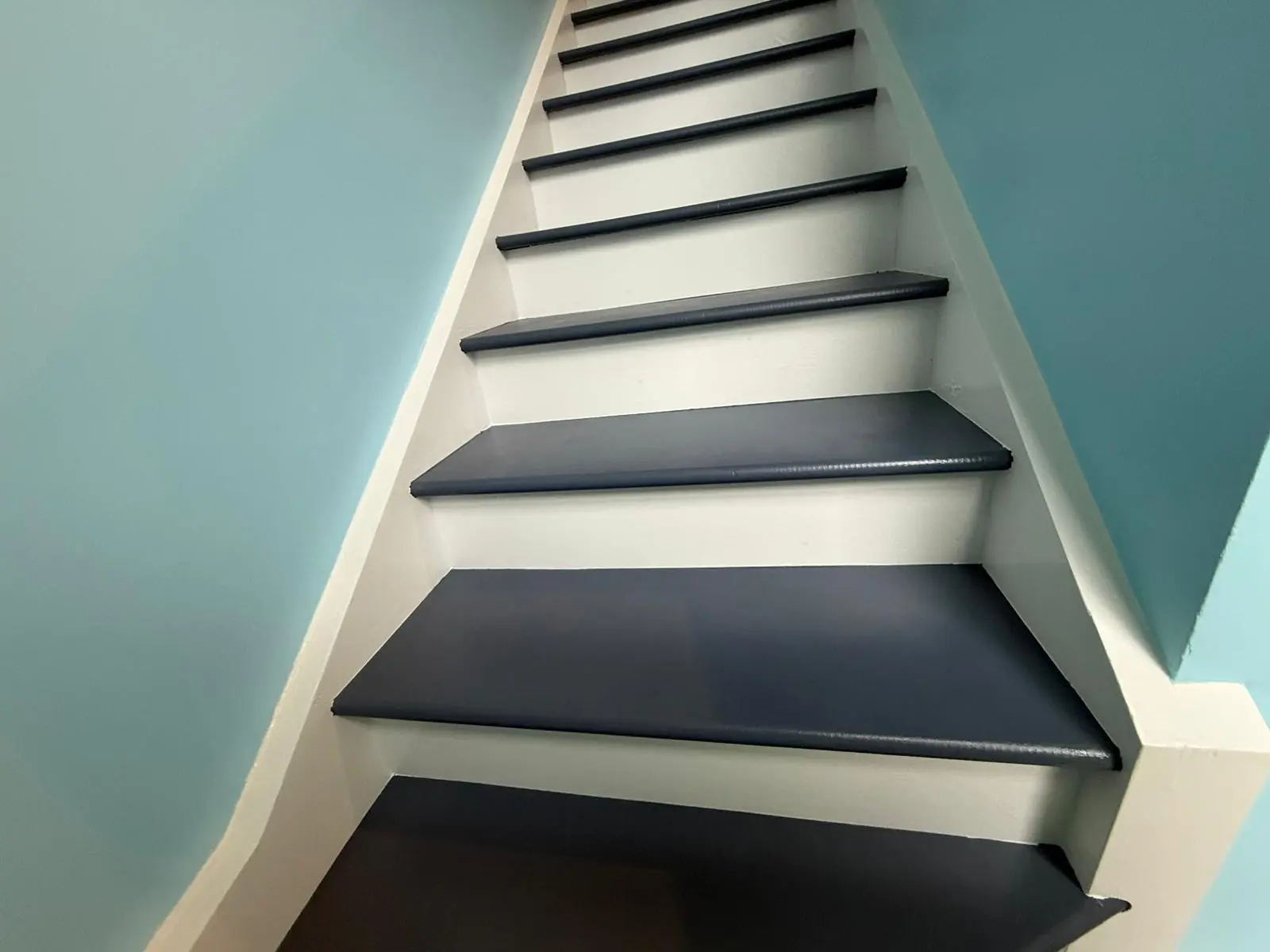
| Stairs or high internal walls | Treads, risers, balustrades, walls, ceilings and access assumptions | Full-height photographs and floor levels |
| Balcony or building exterior | Confirm whether the surface is private lot or common property before including it | Plan, manager guidance and written authorisation where required |
Confirm building access before selecting a start date
A painter can understand the rooms and still be unable to begin if contractor access has not been arranged. Ask the manager about lift bookings, loading areas, parking, keys, permitted work arrangements, protection of shared floors and walls, waste removal and any required contractor documents. Keep those instructions with the quotation. A requested date is not a confirmed booking until both the painting scope and the building access are agreed.
- Where materials may be unloaded and stored
- Whether a lift must be booked or protected
- Which common routes must remain clear
- How the contractor enters and secures the building
- Who is responsible for resident or manager notifications
Plan differently for an occupied, vacant or changing apartment
An occupied apartment needs a usable-space plan as well as a painting sequence. Identify the only bedroom, work-from-home area, kitchen, bathroom and pet arrangements, then agree which areas are released each day. A vacant apartment may provide more working room, but cleaning, flooring, delivery, settlement, tenancy or sale dates can still affect the sequence. Tell every quoting painter the same occupancy and access conditions so the proposals are comparable.
- Remove valuables, fragile items and loose belongings from the work zone
- Agree who moves large, fixed, delicate or unusually heavy items
- Keep emergency routes and common corridors clear
- Confirm when each room can be used and when furniture may return against freshly coated surfaces
Record condition before choosing products or a price
Photographs can help define the visible scope, but they do not turn every repair into the same task. Record cracks, failed patches, water staining, loose coatings, damaged plaster, silicone, previous colour changes and other visible defects. Active leaks or building defects need investigation before repainting. The written quotation should distinguish ordinary preparation from repairs or further investigation that require separate approval.
- Show each room from more than one viewpoint
- Add close-ups with enough surrounding context to locate the defect
- Disclose known leaks, previous repairs and recurring cracks
- Do not treat an uninspected repair allowance as a confirmed repair scope
Match the product and finish to each surface
A colour choice is not a complete coating specification. Ask for ceiling, living-area wall, wet-area and trim products and finishes to be identified separately. The existing surface, cleaning expectations, sheen, colour change and preparation determine the suitable system. Dulux's preparation guidance likewise separates cleaning, filling, masking and undercoating; the final quotation should state which preparation is included for the apartment rather than relying only on a brand name.
- Record colour, product and sheen together
- Check samples in the apartment's actual daylight and evening lighting
- Confirm how a strong colour change or uneven coverage will be handled
- Keep the final product and colour schedule for future maintenance
Compare apartment painting quotations on the same assumptions
Consumer Affairs Victoria recommends understanding what a quote covers and putting changes in writing. For an apartment, compare the room and surface list, preparation, repair allowances, products, finish coats, protection, furniture handling, access assumptions, exclusions, GST, timing, payment terms and warranty. Ask each painter to clarify differences in writing before choosing. The lowest total may simply cover fewer surfaces or assume easier access.
Compare QuotesChoose the quote pathway that matches the apartment
For an eligible residential apartment interior, Colourway's estimator can provide a preliminary figure in around 60 seconds from the selected rooms and surfaces. Review that result with the apartment condition and access details before the final written quotation is confirmed. Arrange a site visit when repairs, multi-level access, an unusual layout or building requirements need inspection. Common-property, exterior, commercial and strata scopes should use the site-assessment route rather than the interior room estimator.
- Straightforward private apartment interior: start with the 60-second estimate
- Interior with uncertain repairs or access: arrange an estimate review or site visit
- Exterior or common property: book a site-specific assessment
- Existing written quotes: use the quote comparison tool to identify documented differences
Frequently asked questions
Can I use Colourway's 60-second estimator for an apartment?
Yes. Eligible residential apartment interiors can begin with the room-based estimator. Select the rooms and surfaces inside the apartment, then provide condition and access details for review before the final written quotation is confirmed.
Do I need owners-corporation approval to paint inside my apartment?
Consumer Affairs Victoria says a lot owner is entitled to renovate or refurbish the interior and must notify the owners corporation if the renovation requires a building or planning permit. Building rules and property boundaries differ, so confirm your apartment's requirements with the owners-corporation or building manager before booking.
Can my apartment quote include the corridor or balcony?
Do not assume it can. A corridor, balcony surface or exterior element may be common property or subject to owners-corporation rules. Confirm the boundary and authorisation before adding it to a private interior painting scope.
What should I tell the painter about building access?
Provide the lift-booking process, loading and parking arrangements, permitted work requirements, common-area protection rules, key or security access and the manager contact responsible for confirming them.
Can I stay in the apartment while it is painted?
Sometimes, but it depends on the selected rooms, available space, products, ventilation, household needs and safe access. Agree a room sequence and when each area can be used before work begins.
How should I compare apartment painting quotes?
Compare the same rooms and surfaces, preparation, repairs, products, finish coats, protection, furniture handling, access assumptions, exclusions, timing, payment terms and warranty. Ask for differences and changes in writing.
Sources and further reading
References and further reading
- Maintaining and renovating individual lots in an owners corporationConsumer Affairs Victoria
- What can an owners corporation make rules about?Consumer Affairs Victoria
- Getting quotes for building and renovatingConsumer Affairs Victoria
- Preparation and painting guidesDulux Australia
Planning your Colourway project
For residential interiors, our online tool gives you an initial estimate from the rooms and surfaces selected. Exterior, commercial and strata work is assessed on site so access, preparation and the correct coating system can be confirmed before fixed pricing.