
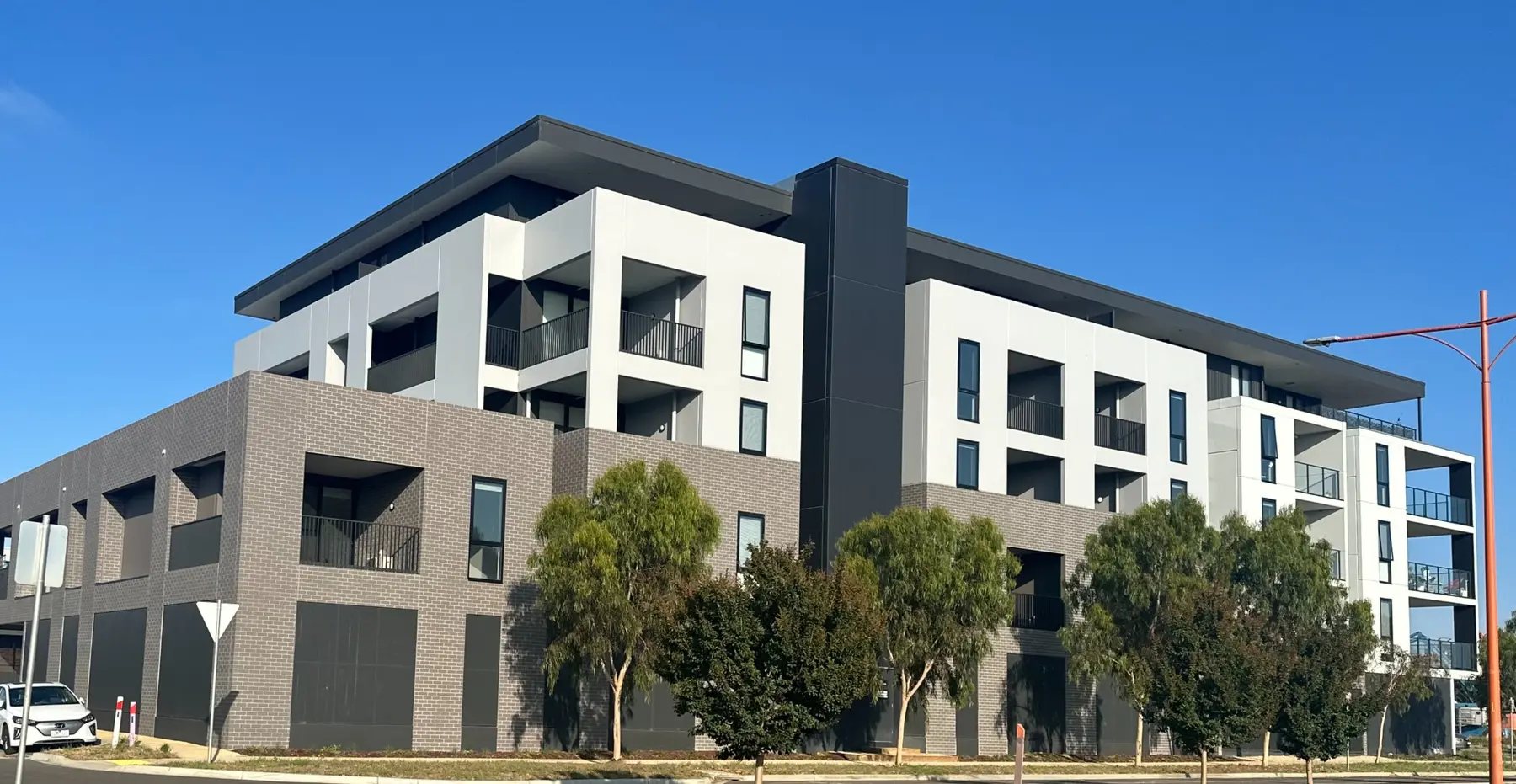
A strata repaint brings together the people approving the work, the people using the building and the contractor carrying it out. A clear brief reduces assumptions between those groups. It should describe the painting project without pretending to replace the owners corporation's approval process.
Define the property and authority to instruct work
Identify the building and the person authorised to coordinate quotations. Establish which surfaces belong in the proposed common-area scope and which are outside it. Do not assume a resident can instruct changes to shared property. Consumer Affairs Victoria provides guidance on common-property maintenance and alterations; ask the manager to confirm the requirements for your proposed work rather than applying a generic rule from a blog.
Create one brief for every contractor
List elevations, corridors, stairwells, doors, railings and other included surfaces by location. Record retained areas and known defects separately. Supply the same photographs and available plans to each contractor, with any access limitations. Where quantities are not established, mark them for assessment rather than entering zero or relying on an unexplained allowance.
- Location and surface schedule
- Known defects and excluded work
- Available access and inspection arrangements
- Decision contact and proposed timing
Separate maintenance painting from other repairs
A painting scope may identify issues that require further investigation or another trade. Ask how those items will be described and who is responsible for resolving them before coating. Keep provisional work and exclusions visible. The committee needs to understand whether it is comparing the same repair assumptions, not merely similar-looking totals.
Plan communication and safe access
Discuss how residents, visitors and deliveries will be informed about affected areas. Ask how shared routes and entries will be managed and who issues notices. Have the manager confirm any formal access requirements. A programme should explain the order of work and the communication process without assuming that every resident can release access on the same day.
Compare proposals for equivalent work
Review surfaces, preparation, coating system, access arrangements, protection, exclusions and variations together. Ask contractors to clarify gaps in writing. Avoid ranking a quotation solely by price where it omits areas or assumes a different level of preparation. Use a comparison record that the decision-makers can read without reconstructing several site conversations.
Analyse or compare the written quotationsPrepare a useful handover record
Keep the accepted scope, approved variations, product and colour information and any outstanding-item list together. Agree who will attend the walkthrough and receive the records. Those records support future maintenance planning and help avoid repeating the same scope investigation at the next repaint. They do not replace the property's own maintenance and governance requirements.
Frequently asked questions
Can a resident approve repainting common property?
Authority depends on the property and owners corporation arrangements. Ask the manager to confirm who can instruct and approve the proposed work.
Should every contractor receive the same brief?
Yes. A shared scope and consistent information make differences in the quotations easier to understand.
Can a strata project use the interior room calculator?
The residential room calculator is not a substitute for a strata scope and site assessment.
Sources and further reading
Official guidance used in this article
- Maintaining and improving common propertyConsumer Affairs Victoria
Planning your Colourway project
For residential interiors, our online tool gives you an initial estimate from the rooms and surfaces selected. Exterior, commercial and strata work is assessed on site so access, preparation and the correct coating system can be confirmed before fixed pricing.